Search
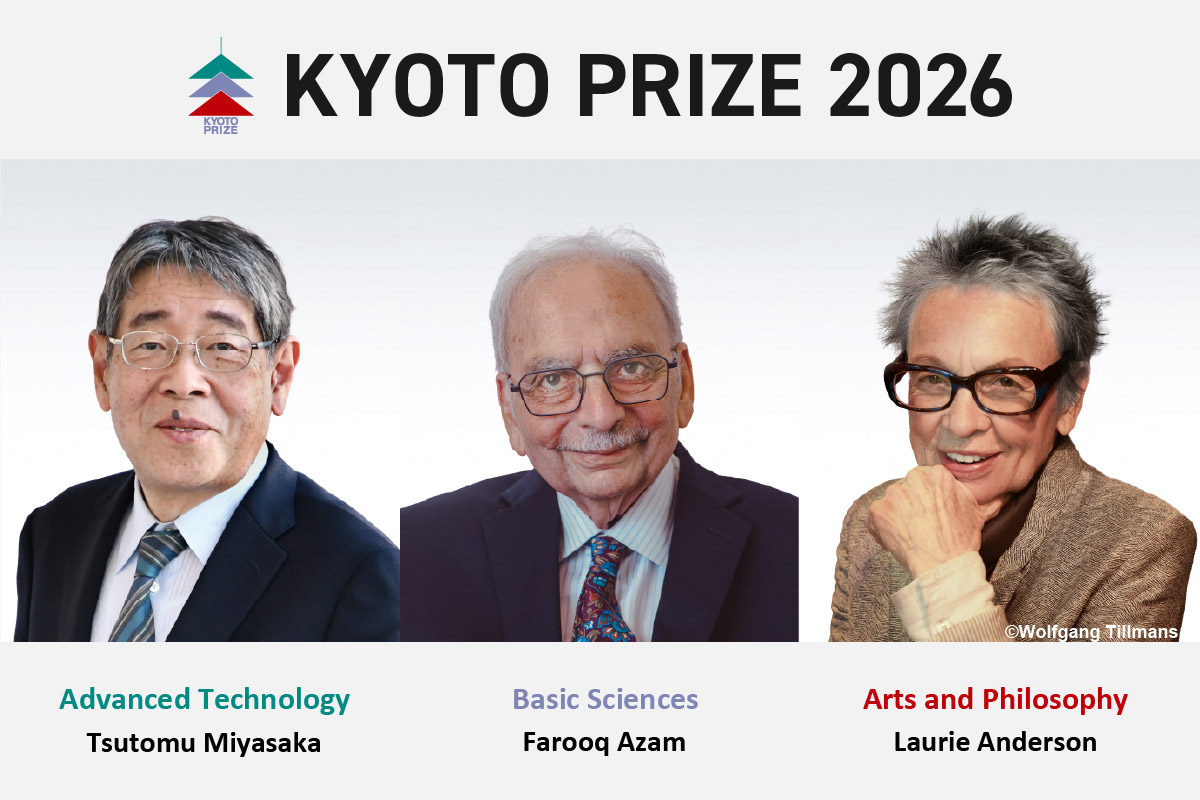
| Creation of Next-Generation Photovoltaic Technologies, Perovskite Solar Cells |
| Tsutomu Miyasaka first proposed the novel concept of perovskite solar cells, with their lightweight, flexible nature offering a vision for next-generation power sources that overturn conventional assumptions. His research efforts have focused on addressing challenges such as reducing environmental impact from lead content and improving operational lifespan. His work continues to exert a major influence on the solution of global energy issues moving forward. |
| From Dr. Tsutomu Miyasaka |
| The Kyoto Prize is founded on principles of contributing to society as individuals and advancing culture in ways that promote peace across the planet. Even in today’s rapidly evolving technological society, sustaining a healthy daily life requires not only a balanced diet and advances in medicine, but also a stable access to energy. I am deeply honored that this prestigious award, which has recognized advances in science and culture for over 40 years, has selected perovskite solar cells as a Japan-originated technology which harnesses natural energy. I would like to express my heartfelt gratitude to the graduate students and young researchers whose dedication supported both the invention of these solar cells and my own research. |
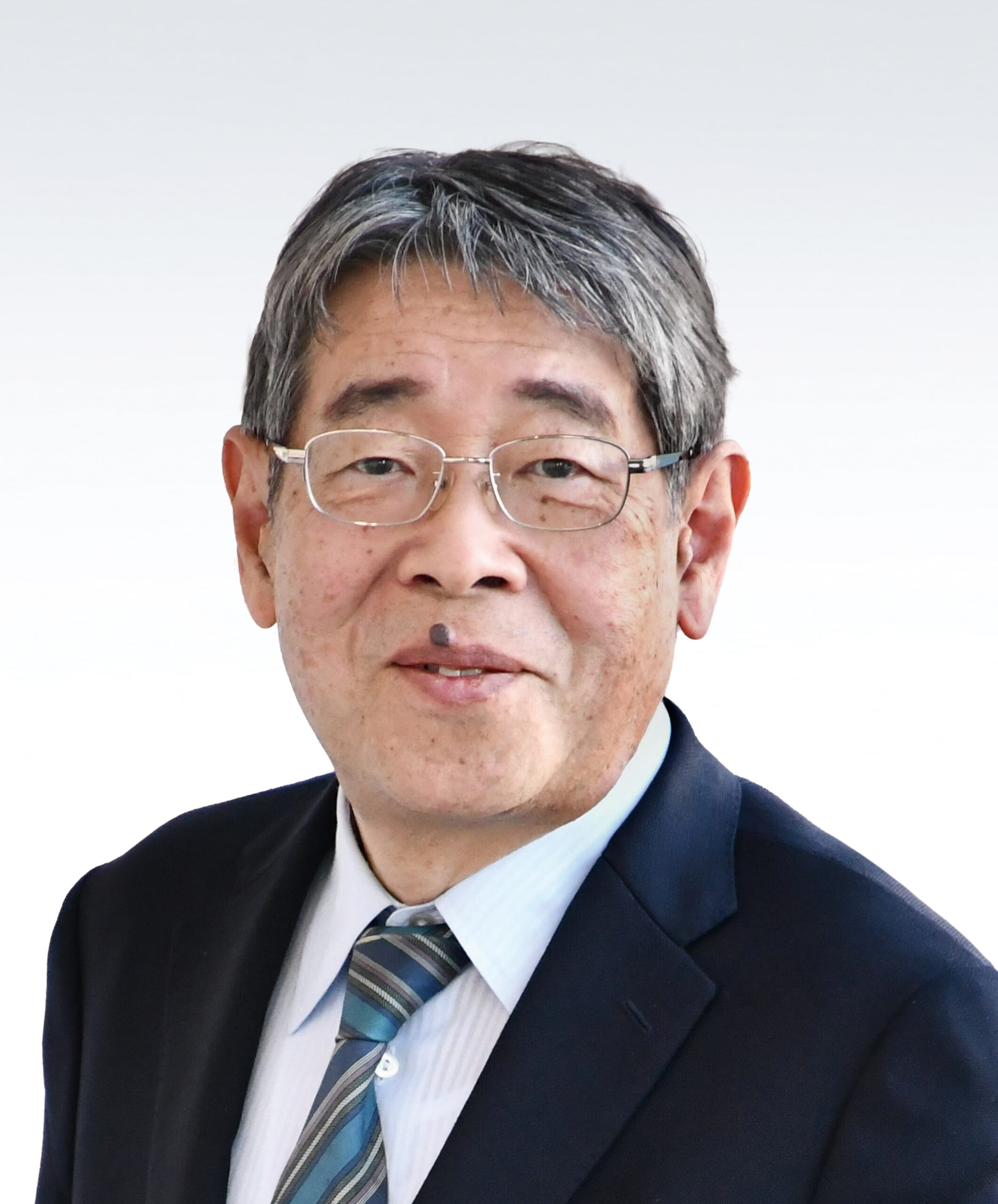
| Elucidating the Role of “Microbial Loop” in Marine Carbon Cycling |
| Farooq Azam proposed the “microbial loop” concept based on his findings that dissolved organic carbon, previously assumed to be lost from the marine food web, is instead recycled by bacteria and protists. Moreover, he revealed the significant roles of microorganisms in the global biogeochemical cycle, especially in the carbon cycle, leading to substantial advancements in marine ecology and biogeochemistry. |
| From Dr. Farooq Azam |
| I am deeply honored and profoundly moved to receive the highly prestigious Kyoto Prize. I never dreamt of receiving this great honor! Kyoto Prize celebrates achievements in science, arts and philosophy. I thank Inamori Foundation for selecting me for this renowned honor. I see my recognition as testament to the scientific contributions of my students, postdoctoral fellows and visiting scientists from around the world who generated an atmosphere of excitement of discovery in my research group. They made it fun! I also thank my teachers and friends who inspired me with their wisdom and warmth. |

| An Artist Who Has Established a Unique Form of Multimedia Performance by Deploying Electronic Media to Fuse Experimental and Pop Sounds with Her Voice and Body |
| Laurie Anderson has demonstrated her interdisciplinary creativity beyond the boundaries of music, visual art, and film through her innovative use of technology, combining ingenuity and wit. She has established a uniquely experimental yet pop-infused form of multimedia performance by integrating her own narrative voice, body, and electronic media. |
| From Ms. Laurie Anderson |
| I would like to express my gratitude to those who decided to give me the great honor of receiving the 2026 Kyoto Prize. I’m very aware of the magnitude of this prize and of the long line of people before me who have received this great honor. So I accept in the spirit of deepest humility. Like many artists, I’ve spent my life making work that I hoped would be understood and, above all, useful to others. But to have this dream of being understood acknowledged is a very emotional experience for me. And it also gives me an enormous amount of joy. I am also grateful to the many teachers who have shown me ways to live, love and make art. |
The Kyoto Prize presentation ceremony is held to honor the laureates in the presence of Her Imperial Highness Princess Takamado and many distinguished guests from Japan and overseas including ambassadors and consuls general from many countries. Each laureate is presented with a diploma, a Kyoto Prize medal, and the prize money at the ceremony.
A joint press conference is held with the participation of the laureates right after the Presentation Ceremony.
Following the presentation ceremony, a banquet is held in the presence of Her Imperial Highness Princess Takamado as well as many distinguished guests from Japan and overseas.
Commemorative lectures for the general public provide an opportunity to get to know not only the outstanding achievements of the laureates but also their views on life and their personalities. The laureates, who have reached the pinnacles of their respective fields, speak to the audience about their work while relating various episodes. After each lecture, an interviewer will ask the laureates about the lecture and their views on life from the audience’s perspective.
Kyoto Symposium Organization, the local NPO and local universities (now University of California San Diego and Point Loma Nazarene University) have been inviting Kyoto Prize laureates and holding a symposium in San Diego in March since 2002.
The University of Oxford’s Blavatnik School of Government has been inviting Kyoto Prize laureates and holding diverse programs filled with intellectual stimulation, including public lectures and panel discussions, in May since 2017.
The “Inamori Foundation e-Newsletter” provides the latest information about the Inamori Foundation. You can subscribe using your e-mail address only; you can unsubscribe at any time.